Grasping Memory Care Services & Amenities: Extensive Support for Loved Ones
Memory care services play a critical role in supporting individuals with cognitive impairments. These facilities are designed to guarantee safety while promoting independence through tailored care plans. Relatives commonly search for atmospheres that deliver meaningful activities and interpersonal connections. Recognizing the fundamental aspects of these facilities can aid in developing well-informed selections. What specific aspects should families consider when evaluating memory care options for their loved ones?
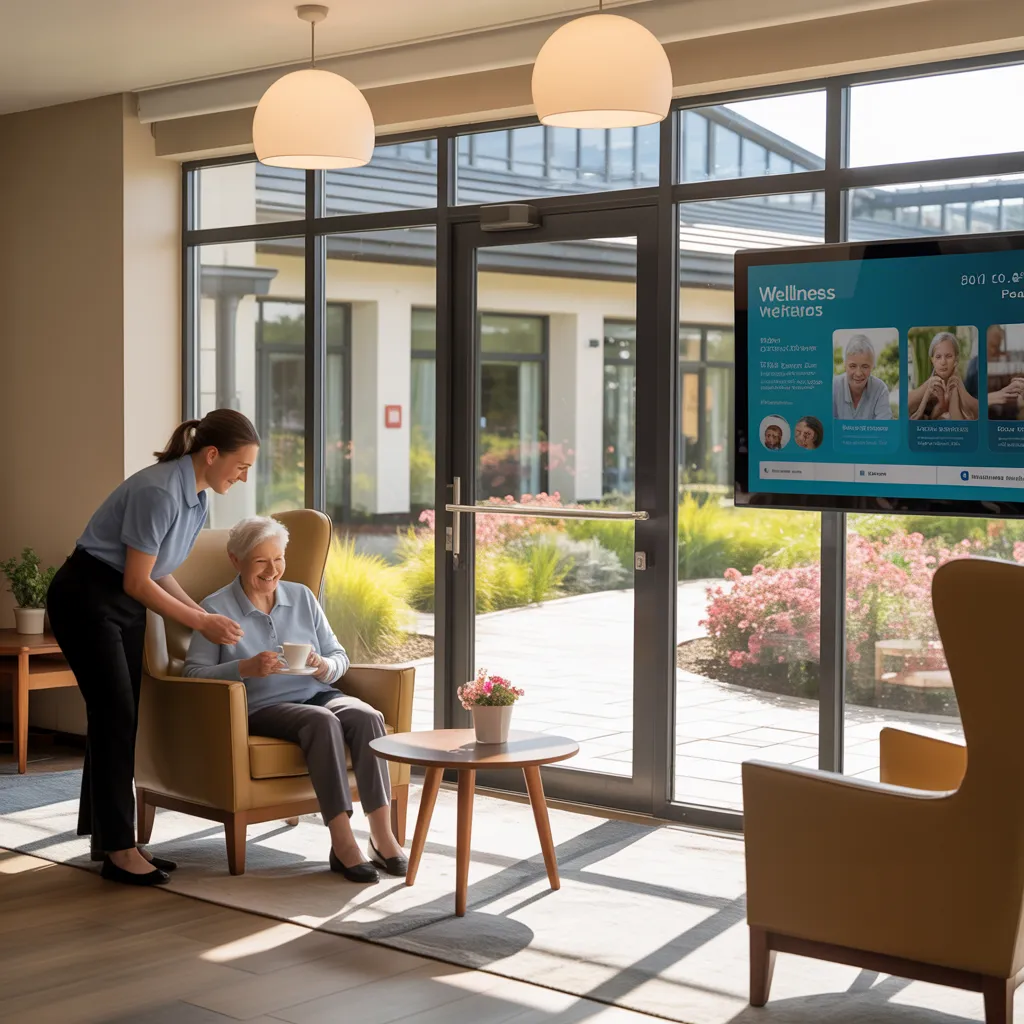
Understanding Memory Care Services: Value and Advantages
What makes memory care services vital for individuals with cognitive impairments? These expert services are designed to meet the unique needs of those living with conditions like Alzheimer's and dementia. Memory care facilities offer a safe, structured environment that encourages well-being and fosters independence. Trained staff members understand the challenges faced by residents, delivering personalized care that improves quality of life.
Additionally, memory care services include therapeutic activities specifically created to stimulate cognitive function and maintain social engagement. These activities not only bolster mental health but also encourage meaningful interactions, reducing feelings of isolation. Families benefit from peace of mind, knowing their loved ones are in a secure facility that prioritizes their safety and emotional needs. In the end, memory care services are vital in providing thorough support, ensuring that individuals with cognitive impairments can live with dignity and respect.
Essential Features to Seek Out in Memory Care Facilities
When seeking out memory care facilities, families should regularly prioritize specific essential features that elevate the quality of care. Safety is essential; facilities should have protected environments to prevent wandering, together with emergency response systems in place. Moreover, trained staff members who focus on dementia and Alzheimer's care are imperative, ensuring that residents receive adequate support.
An additional important consideration is the design of living spaces. Facilities should deliver a calm, homelike atmosphere with easy-to-read signs and familiar layouts to lessen confusion. Engagement opportunities matter as well; programs that encourage social interaction, cognitive activities, and physical exercise can significantly help residents.
Families must also evaluate the dining options offered. Balanced nutrition designed for individual dietary requirements support overall well-being. Additionally, access to healthcare services is crucial, guaranteeing that any medical needs are immediately addressed. By concentrating on these features, families can make informed decisions that prioritize their loved ones' well-being.
Memory Care: Customized Care Plans for Individual Needs
Tailored care plans in memory care facilities are essential for addressing the individual needs of each resident, as individual experiences with dementia and Alzheimer's can vary considerably. These plans are designed through detailed assessments conducted by trained professionals, who examine cognitive function, physical health, and emotional health. By incorporating input from family members, caregivers can modify care approaches that align with residents' preferences, routines, and interests.
Primary components of these tailored plans often include medication oversight, customized daily schedules, and directed therapeutic interventions. Consistent evaluations verify that the care plans remain suitable and effective as residents' conditions evolve. This dynamic approach encourages a sense of stability and familiarity, which is essential for individuals facing memory difficulties. Finally, personalized care plans elevate the quality of life for residents by encouraging dignity, independence, and a supportive environment tailored to their unique needs.
Enjoyable Activities and Community Opportunities for Residents
Individuals residing in memory care facilities experience substantial advantages through engaging group activities that promote social interaction and cognitive stimulation. Arts and crafts activities deliver opportunities for self-expression and skill development, enhancing overall well-being. Additionally, outdoor social events promote physical activity and connection with nature, enhancing residents' quality of life.
Engaging Group Activities
Engaging group activities play view details a vital role in enhancing the quality of life for people in memory care settings. These activities encourage social interaction, inspiring residents to connect with peers and develop meaningful relationships. Well-planned group games, music sessions, and themed events enhance cognitive stimulation and emotional wellness, creating opportunities for laughter and joy. Additionally, engaging activities help decrease feelings of isolation and anxiety commonly experienced by those with memory impairments. Participation in shared experiences provides residents a sense of purpose and belonging, effectively improving their overall mental health. Care staff frequently tailor these activities to accommodate varying abilities, making certain that all residents can participate and experience the benefits of communal engagement, thereby creating a dynamic and supportive community atmosphere.
Artistic Crafts and Creations
Creative arts and crafts provide an excellent opportunity for self-expression and social interaction among residents in memory care settings. These activities encourage participants to tap into their creativity, helping to stimulate cognitive functions and develop fine motor skills. Through crafting, painting, or artistic expression, participants can express their thoughts and feelings in a non-verbal way, fostering a sense of accomplishment and pride. Moreover, group art sessions promote camaraderie, allowing residents to bond over shared experiences. Instructors regularly tailor projects to accommodate varying skill levels, ensuring everyone can participate and enjoy the process. In the end, creative arts and crafts not only enhance the lives of individuals but also create a lively, engaging atmosphere that promotes emotional well-being and social connectivity.
Outdoor Social Activities
Engaging in outdoor social events offers a rejuvenating way for residents in memory care settings to interact with one another beyond the confines of indoor activities. These events provide a stimulating environment that promotes social interaction, emotional health, and cognitive engagement. Activities such as picnics, gardening, and nature walks not only motivate residents to reconnect with the natural world but also foster a sense of community and belonging. Such events often feature music, games, or seasonal celebrations, improving the overall experience. In addition, outdoor settings can lessen stress and anxiety, creating a more relaxed atmosphere for residents. By incorporating outdoor social events into memory care programs, facilities can substantially enrich the lives of their residents, fostering joy and connection.
Security and Safety Protocols in Memory Care
As individuals with memory impairments may be prone to wandering or disorientation, putting strong safety and security measures in place at memory care facilities is vital. These measures often include controlled entry and exit locations, preventing residents from departing undetected while maintaining a supervised setting. Video surveillance systems strengthen security through watching common zones and ensuring personnel can handle any occurrences swiftly.
Staff training also plays a vital role; staff members are instructed in detecting signs of anxiety and addressing behavioral challenges, which helps maintain a safe atmosphere. Moreover, memory care facilities commonly feature sensory and calming spaces, developed to alleviate nervousness and disorientation. Safety measures are put in place to manage diverse circumstances, ensuring swift response times. By making safety and security a priority, memory care facilities foster a protective environment that promotes the well-being of residents while providing peace of mind to families.
Choosing the Ideal Memory Care Center for Your Loved One
Selecting the right memory care facility necessitates thoughtful consideration of multiple factors. Essential elements include the placement of the facility, the qualifications and training of the staff, and the specialized care programs provided. Every one of these aspects plays a crucial role in guaranteeing that a loved one receives the highest quality support and care.
Facility Placement Considerations
How can families guarantee they choose the ideal location for a memory care facility? Multiple important factors need to be evaluated. Closeness to family and friends is essential, as consistent visits can boost the emotional well-being of residents. Moreover, families should review the safety of the surrounding neighborhood, ensuring it is well-protected and convenient. Access to nearby amenities, such as hospitals and pharmacies, is also vital for immediate healthcare needs. Families may want to explore the ambiance of the facility's environment; a welcoming and homely atmosphere can substantially influence residents' comfort. Besides, they should evaluate the availability of outdoor spaces for leisure and rest. Ultimately, the ideal location blends convenience, safety, and a nurturing environment for loved ones.
Team Competencies and Instruction
When considering a memory care facility, the qualifications and training of the staff serve a critical function in providing the best possible care for residents. Highly trained staff members maintain specialized knowledge about dementia and other cognitive impairments, which is essential for understanding the unique needs of each resident. Seek out facilities that require staff to undergo certification in dementia care and supply ongoing education on best practices. In addition, staff should be trained in effective communication techniques, behavioral management, and emergency response protocols. A knowledgeable and compassionate team can tremendously enhance the quality of life for residents, promoting a supportive environment that promotes dignity and respect. Essentially, the right qualifications and training can make a considerable difference in care quality.
Specialist Care Solutions Delivered
Specialized care programs are essential components of memory care facilities, designed to meet the diverse needs of individuals with cognitive impairments. These programs commonly incorporate personalized activities that support cognitive stimulation, social interaction, and physical wellness. Many facilities offer memory enhancement therapies, which may encompass reminiscence therapy or music and art therapy, helping residents to connect with their pasts and express themselves creatively. Furthermore, behavioral support programs work to handle behavioral challenges often associated with memory loss, creating a safe and nurturing environment. Facilities may also deliver caregiver training, equipping families with strategies to support their loved ones effectively. By examining these specialized programs, families can make sound decisions about the most optimal memory care options for their loved ones.
FAQ
What Credentials Do Memory Care Facility Staff Members Possess?
Staff members in memory care facilities typically maintain degrees in nursing or social work and usually have specialized training in dementia care, communication approaches, and behavioral management to effectively care for residents with cognitive impairments.
How Is Medication Management Handled at Memory Care Facilities?
Memory care facilities manage medication through trained staff who administer prescribed drugs, track dosage amounts, and keep detailed documentation. They guarantee timely medication delivery while carefully monitoring residents for any negative effects or required modifications.
Does Care Planning Include Family Member Input?
Relatives fulfill a critical part in care planning at memory care facilities. Their input and choices are highly regarded, ensuring that the resident's needs and wishes are recognized, supporting a collaborative approach to personalized care.
What's the Usual Staff-To-Resident Ratio in Memory Care?
The average employee-to-resident ratio in memory care communities varies from 1:5 to 1:8. This ratio makes certain that residents receive appropriate attention and individualized care, promoting a caring environment suited to their individual needs.
In What Ways Do Memory Care Facilities Address Dietary Needs and Restrictions?
Memory care residences commonly hire dietitians to examine residents' dietary needs, providing personalized meal plans that accommodate dietary needs. Staff members ensure meals are wholesome, safe, and pleasurable, enhancing overall quality of life and satisfaction among residents.